Simcoe Family Dentistry and the Value of Regular Dental Exams
A healthy mouth rarely stays that way by accident. Most people who keep their teeth for life do not rely on luck, good genes, or a heroic brushing routine. They pair daily care at home with regular dental exams, and that combination matters more than many patients realize. By the time a tooth hurts, a gum problem becomes obvious, or a filling breaks, the ideal window for the simplest treatment has often passed.
That is why regular exams remain one of the most valuable parts of oral healthcare. They are not just quick looks inside the mouth. A well-run exam gives your dental team a baseline, tracks change over time, catches problems when they are still small, and helps you avoid bigger procedures later. For families looking for a dentist in Simcoe Ontario, that steady, preventive relationship can shape oral health for years.
In a community practice setting, the pattern is familiar. A patient who comes in routinely often needs modest, manageable care. A patient who waits several years between visits may still be doing many things right at home, but hidden issues can build quietly. Cavities do not always hurt early. Gum disease can progress with very little discomfort. Old dental work can weaken gradually. Small changes in the mouth tend to move in one direction when no one is monitoring them, and that direction is rarely favorable.
What a regular dental exam actually covers
People sometimes think of an exam as a brief check before the cleaning starts. In reality, a complete exam is broader than that. The dentist assesses the teeth, gums, bite, existing restorations, jaw function, and soft tissues of the mouth. Depending on age, medical history, and risk factors, the visit may also include digital x-rays, oral cancer screening, and a discussion about symptoms that seem minor to the patient but can be clinically important.
A thorough exam often answers questions patients did not know to ask. Why is one tooth suddenly sensitive to cold? Why do the gums bleed in one area but nowhere else? Why does the jaw click on one side in the morning? Why does a child’s permanent tooth seem to be coming in behind a baby tooth? These are everyday findings in family practice, and most are easier to manage when addressed early.
At a strong simcoe family dentistry practice, that exam also becomes a conversation, not a lecture. The most useful appointments are the ones where the dentist explains what is stable, what needs attention, and what can wait with monitoring. That kind of judgment matters. Not every mark on a tooth needs immediate drilling, and not every area of gum inflammation means aggressive treatment. Good care is not about doing more. It is about doing the right thing at the right time.
Why prevention is usually cheaper, simpler, and easier on patients
The case for preventive dentistry is practical, not abstract. Small dental problems are generally cheaper to treat than large ones. They also take less chair time, involve fewer appointments, and preserve more natural tooth structure.
Take a very common example. A small cavity between two teeth may be spotted on an x-ray before it causes symptoms. If treated at that stage, the restoration is often straightforward. If that same cavity goes undetected for a year or two, it can spread deeper into the tooth. What started as a modest filling may become a larger filling, then a crown, and if decay reaches the nerve, possibly root canal treatment. The tooth is the same tooth, but the stakes change as time passes.
Gum health follows a similar pattern. Mild gingivitis, marked by bleeding during brushing or cleaning, can often improve with professional care and better plaque control at home. When inflammation is ignored for long periods, it can move into periodontal disease, where bone support around the teeth begins to shrink. That loss is much harder to recover from than early inflammation is to reverse.
Patients sometimes postpone exams because nothing seems wrong, or because life is busy, or because they are trying to avoid expense. The irony is that regular visits are often what prevent the costly surprises people fear. Over many years, preventive dentistry tends to be one of the most economical forms of healthcare.
The problems that hide in plain sight
One of the hardest parts of oral health is that the mouth can compensate for a long time. People chew around sore areas. They avoid cold drinks on one side. They stop flossing a spot that bleeds because it feels unpleasant. Gradual adaptation can make a growing problem seem manageable.
Dentists in Simcoe Ontario see this often with cracked teeth. A patient may describe a strange twinge when biting into bread crust, nuts, or granola, but no constant pain. The tooth may look mostly normal in the mirror. During an exam, however, certain tests can point to a crack developing under the surface. Catching that early can mean stabilizing the tooth before a larger fracture occurs.
Old restorations are another example. Fillings and crowns do not fail all at once in every case. Margins can open slightly, decay can begin at the edge, and wear can change how a tooth contacts the one beside it. None of that is easy for a patient to detect at home. A regular exam is where those changes are found before they become emergencies.
There is also the matter of soft tissue health. A persistent sore spot, a thickened area on the cheek, or a patch that does not heal should not be ignored. Most findings turn out to be benign irritation, but some deserve closer investigation. Routine exams are one of the simplest ways to make sure the tissues of the mouth are being checked consistently.
Children, teens, adults, and seniors all benefit differently
Family dentistry works best when it respects that oral health changes across life stages. A six-year-old and a seventy-year-old may both need regular exams, but for very different reasons.
In children, those visits help track eruption patterns, cavity risk, brushing habits, and early bite development. A dentist may notice crowding, delayed eruption, or habits such as thumb sucking that affect alignment. Just as important, children who grow up with calm, predictable dental visits tend to be less anxious and more cooperative later. That ease matters more than parents sometimes expect.
Teenagers often face a different mix of issues. Sports injuries, orthodontic concerns, diet choices, inconsistent hygiene, and wisdom tooth monitoring all become part of the picture. This is also the age when many patients feel healthy enough to skip care, even while sipping sports drinks, using whitening products, or wearing retainers inconsistently. Exams help keep small lapses from turning into lasting damage.
Adults usually juggle maintenance of existing dental work, gum health, stress-related grinding, and the realities of a crowded schedule. This is the group most likely to say, “I know I should have come in sooner.” Usually the issue is not neglect in any moral sense. It is work, caregiving, commuting, insurance timing, or simply pushing personal care down the list. Regular exams protect adults from the consequences of that delay.
Older adults may deal with dry mouth from medications, exposed root surfaces, wear, recession, and the upkeep of crowns, bridges, implants, or dentures. Root decay in particular can progress quickly once saliva decreases. A simcoe dentist who sees patients regularly can spot those patterns and adjust care before comfort and function decline.
How exam frequency is decided
There is no single schedule that fits every patient. The classic six-month recall is common and appropriate for many people, but it is not a rule carved in stone. Some patients do well with annual exams paired with professional judgment based on low risk. Others benefit from visits every three or four months because of periodontal concerns, heavy tartar buildup, high cavity risk, extensive dental work, or medical factors that affect oral health.
What matters is risk, not habit alone. A patient with dry mouth, several recent cavities, and early gum disease needs a different plan than someone with excellent home care, stable x-rays, and no history of frequent decay. Good preventive dentistry is personalized.
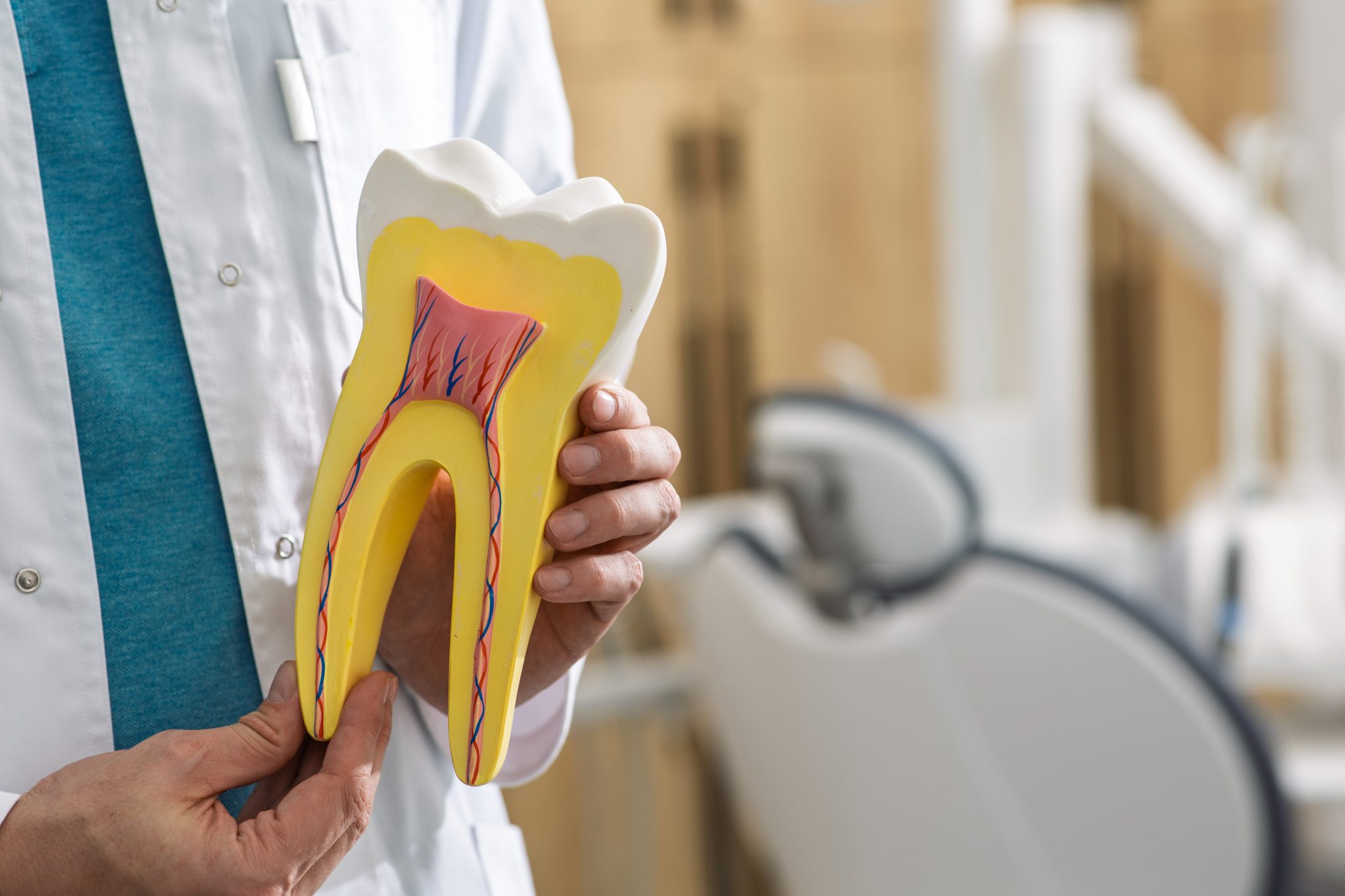
That personalized approach also reduces overtreatment. A responsible dentist does not recommend more visits simply because a template says so. The schedule should make sense clinically, be explained clearly, and feel tied to what is happening in the patient’s own mouth.
Common reasons people avoid exams, and what tends to help
Avoidance is rarely about indifference. More often it comes from embarrassment, fear, cost concerns, or a bad past experience. A surprising simcoe dentist number of adults still carry memories of rushed appointments, painful injections, or feeling scolded. Those memories can last decades.
The practices that help patients return are usually the ones that remove shame from the equation. A good team knows that the patient who has not been in for five years does not need a lecture. They need a starting point, a calm assessment, and a practical plan. That shift in tone can change everything.
A few patterns come up again and again:
- Fear often drops once patients know exactly what will happen during the visit.
- Embarrassment fades when the dental team focuses on solutions instead of blame.
- Cost concerns become easier to manage when treatment is prioritized in stages.
- Time barriers shrink when appointments run predictably and communication is clear.
- Uncertainty improves when patients understand which issues are urgent and which can be monitored.
This is where a community-based simcoe family dentistry office can make a real difference. Familiar faces, continuity of care, and a practice style that values explanation over pressure often help patients rebuild trust in dental care.
What patients gain from a long-term relationship with one dental practice
Regular exams do more than catch disease. Over time, they create a record. Your dental team learns your bite, your x-ray history, the shape of your restorations, your patterns of wear, and the areas that need the most attention. Subtle changes are easier to recognize when the clinician has seen the mouth over several years.
That continuity has practical advantages. If a patient says a front tooth has shifted slightly, the dentist who has old photos or prior notes can compare and judge whether it is meaningful. If a crown starts feeling high after years of being comfortable, that history matters. If gum recession progresses slowly in one area, comparison over time is often what reveals it.
Patients benefit from consistency in communication too. Not every question needs a major procedure behind it. Sometimes people simply want to know whether a stain is a cavity, whether a child’s spacing is normal, or whether a dull pressure is from grinding. In a stable dentist-patient relationship, those conversations happen earlier and with less hesitation.
For people searching online for a dentist in Simcoe Ontario or comparing dentists in Simcoe Ontario, technical skill matters, but so does this continuity. The best preventive care is rarely dramatic. It is steady, attentive, and built visit by visit.
The role of x-rays and why they still matter
One of the most common questions during an exam is whether x-rays are really necessary. In many cases, yes, because some of the most important findings cannot be seen with the naked eye alone. Decay between teeth, changes around roots, bone levels, impacted teeth, and certain infections may not show obvious signs during a visual exam.
That does not mean x-rays are taken carelessly or on an arbitrary schedule. The decision should be based on age, symptoms, dental history, and current risk. A child with a high cavity rate may need imaging more often than an adult with a stable history and excellent oral health. The point is to gather enough information to make sound decisions, not to collect images out of routine.
When used thoughtfully, x-rays support preventive dentistry because they reveal trouble while it is still manageable. Many patients have had the experience of feeling completely fine, only to discover a cavity between back teeth that would have been invisible in a mirror. That is not unusual. It is exactly why these tools remain part of good diagnostic care.
What a thorough exam can reveal beyond cavities
People often equate dental exams with cavity checks, but the scope is wider. A careful dentist is also looking for signs of grinding, clenching, airway issues, acid erosion, medication-related dry mouth, recession, bite imbalance, and changes in oral tissues. Each of those findings can affect long-term comfort and tooth survival.
Consider wear patterns. Flattened edges, tiny fractures in enamel, or muscle tenderness can point toward nighttime grinding even when the patient is unaware of it. Acid erosion can show up as smooth, scooped surfaces on teeth, sometimes linked to diet, reflux, or both. Dry mouth may signal a medication side effect that changes cavity risk dramatically. None of these issues are always obvious to the patient, and all can benefit from early guidance.
A useful exam is diagnostic, but it is also educational. Patients should leave understanding not just what was found, but why it matters and what they can do next.
How to make the most of your exam visits
A regular exam works best when patients treat it as a real healthcare appointment, not a task to rush through. Mention changes, even if they seem minor. Sensitivity, bleeding, grinding, dry mouth, food trapping, and jaw popping are all worth discussing. Bring an updated medication list if anything has changed. If you wear a nightguard or retainer, take it with you. Those small details often fill in the clinical picture.
Patients also do well when they ask direct questions. If treatment is recommended, it is reasonable to ask how urgent it is, what happens if you wait, and whether there are alternatives. Good dentistry includes informed decision-making.
This short checklist helps patients get more value from each exam:
- Note any symptoms before the appointment so you do not forget them in the chair.
- Tell the team about new medications, illnesses, pregnancy, or major life changes.
- Ask whether your current home care routine is effective for your specific risk level.
- Clarify the timeline for any recommended treatment or follow-up.
- If finances are a concern, ask about staging care by priority.
That kind of communication turns a standard appointment into a more useful one.
Why regular care matters in a family setting
When one person in a household stays current with exams, it often influences everyone else. Parents who make oral health routine tend to raise children who see dental care as normal. Couples remind each other to book appointments. Older relatives are more likely to get needed attention when someone notices changes in eating, speech, or denture fit. In that sense, family dentistry is not just about seeing different age groups under one roof. It is about creating a culture of maintenance before crisis.
That preventive mindset is especially valuable in smaller communities, where convenience and continuity carry weight. A simcoe dentist who knows the family, sees patterns over time, and helps patients stay ahead of problems can reduce the number of painful surprises that disrupt work, school, meals, and sleep.
The strongest argument for regular dental exams is not theoretical. It shows up in ordinary outcomes. Fewer emergencies. Smaller restorations. More years with natural teeth. Better comfort. Better function. Less anxiety because there are fewer unknowns. Those benefits accumulate quietly, often without fanfare, and that is precisely the point.
For patients considering simcoe family dentistry services, regular exams are the foundation, not an optional extra. They give the dentist a chance to protect what is healthy, intercept what is changing, and guide care with context and restraint. That is the real value of preventive dentistry. It keeps small problems small, and it helps people move through life with a mouth that works the way it should.
Malo Family Dentistry — Business Info (NAP)
Name: Malo Family DentistryAddress: 100 Colborne St N, Simcoe, ON N3Y 3V1
Phone: +1-519-426-8155
Website: https://www.malodentistry.com/
Hours:
Monday: 7:30 AM – 12:00 PM; 1:00 PM – 5:00 PM
Tuesday: 7:30 AM – 12:00 PM; 1:00 PM – 5:00 PM
Wednesday: 7:30 AM – 12:00 PM; 1:00 PM – 5:00 PM
Thursday: 7:30 AM – 12:00 PM; 1:00 PM – 5:00 PM
Friday: 7:30 AM – 1:00 PM
Saturday: Closed
Sunday: Closed
Service Area: Simcoe, Ontario and Norfolk County
Open-location code (Plus Code): RMQV+G2 Simcoe, Norfolk, ON
Map/listing URL: https://maps.app.goo.gl/VBZ3Ygx4hjxW2vrf9
Embed iframe:
Socials (canonical https URLs):
Facebook: https://www.facebook.com/malodentistry/
https://www.malodentistry.com/
Malo Family Dentistry provides dental services for patients in Simcoe, Ontario and Norfolk County.
The clinic offers preventive care, cleanings, fillings, extractions, dental repairs, cosmetic dental work, dentures, mouthguards, and related dental services.
Patients can contact Malo Family Dentistry by calling +1-519-426-8155.
Hours listed are Monday to Thursday 7:30 AM–12:00 PM and 1:00 PM–5:00 PM, Friday 7:30 AM–1:00 PM, with Saturday and Sunday closed.
Malo Family Dentistry serves patients from Simcoe and surrounding Norfolk County communities.
For directions and listing details, use the map listing: https://maps.app.goo.gl/VBZ3Ygx4hjxW2vrf9
Popular Questions About Malo Family Dentistry
What dental services does Malo Family Dentistry provide?Malo Family Dentistry provides dental services including preventive care, cleanings, fillings, extractions, dental repairs, cosmetic dental work, dentures, mouthguards, and related care.
Where does Malo Family Dentistry serve patients?
Malo Family Dentistry serves Simcoe, Ontario and surrounding Norfolk County communities.
What are Malo Family Dentistry’s hours?
Monday–Thursday: 7:30 AM–12:00 PM and 1:00 PM–5:00 PM; Friday: 7:30 AM–1:00 PM; Saturday and Sunday closed.
Does Malo Family Dentistry list an email address?
No email address was provided. Contact the clinic by phone or through the website.
How can I contact Malo Family Dentistry?
Phone: +1-519-426-8155
Website: https://www.malodentistry.com/
Map: https://maps.app.goo.gl/VBZ3Ygx4hjxW2vrf9
Facebook: https://www.facebook.com/malodentistry/
Landmarks Near Simcoe, ON and Norfolk County
1) Norfolk County Fairgrounds2) Simcoe Recreation Centre
3) Downtown Simcoe
4) Norfolk Arts Centre
5) Port Dover Beach
6) Turkey Point Provincial Park
7) Long Point Provincial Park